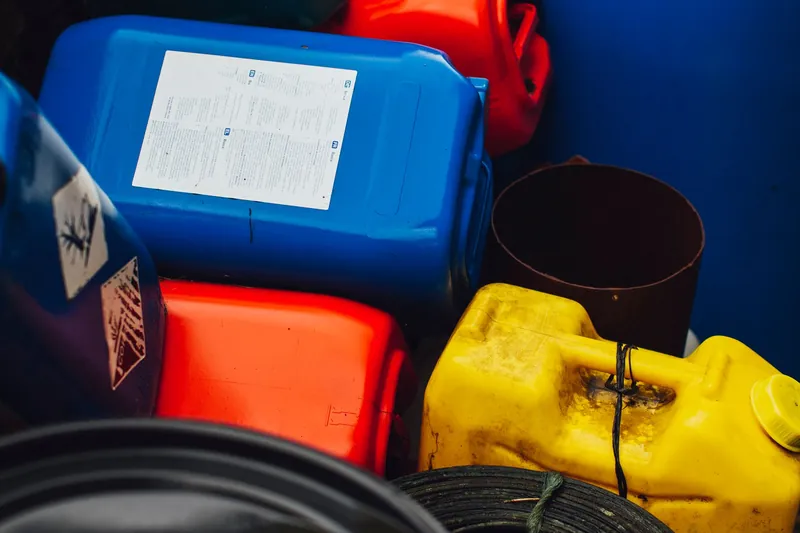
Chemical and Toxic Waste Cleanup
Safe disposal is included with chemical and toxic waste cleanup.
See chemical and toxic waste cleanupGet hazardous materials, chemical residue and contaminated items assessed and cleaned in Mayfield. The hazard is identified first so containment, protective equipment, cleaning and waste disposal fit the material.
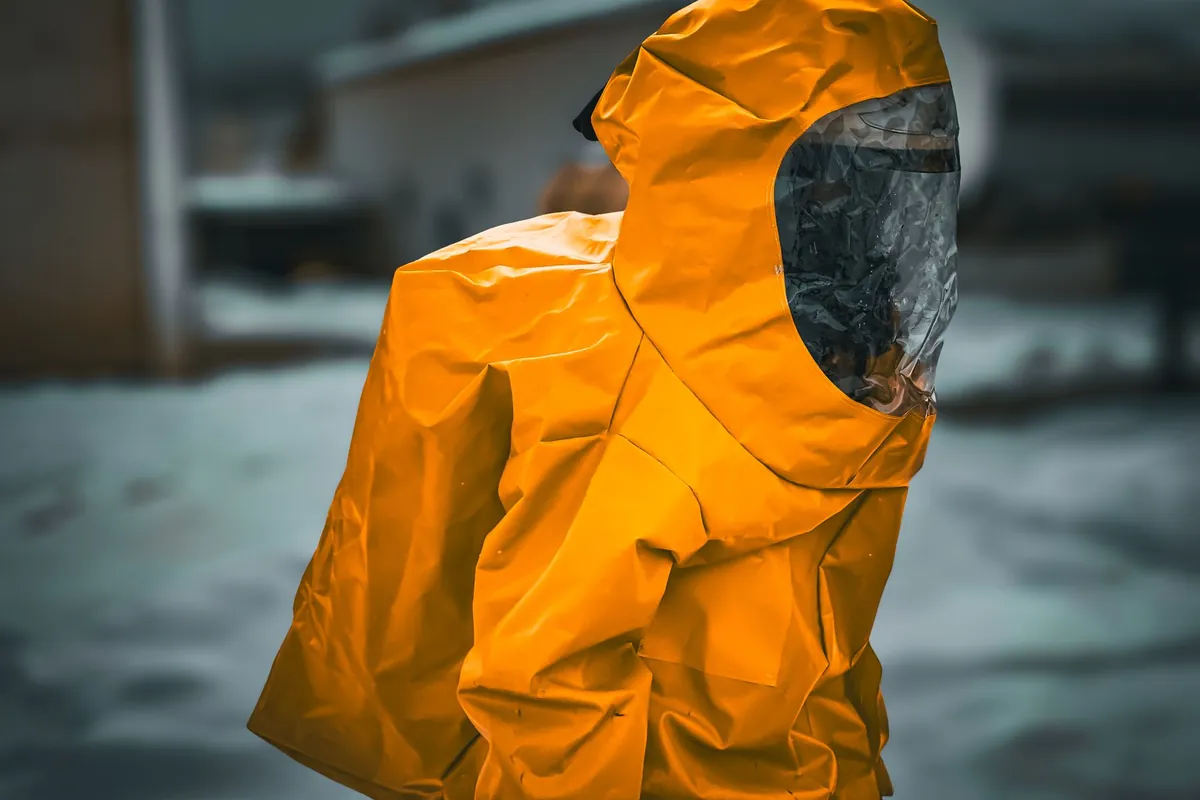
The careful, controlled treatment or removal of hazardous substances is hazmat cleanup. These substances may cause harm to people, the environment or property through fire, exposure by touch, breathing, a reaction or contamination.
A biological hazard, corrosive substance, chemical spill, fuel residue, toxic waste or unidentified powder may require this work. Bloodborne pathogens can be present in biological material such as bodily fluids and blood. A chemical may cause poisoning or burns, react with another product, or give off dangerous vapor. Since each risk is different, no single cleaning process or product is right for every substance.
Cleanup starts by gathering details that can identify the substance, including a product label, container, incident report, Safety Data Sheet or test result. Control is then established around the affected and surrounding spaces. Based on the material, technicians select suitable containers, protective gear, absorbents and tools. Anything that is safe to clean can be treated. Contaminated material that cannot be retained is removed for proper waste disposal.
You hear what is known, what still needs identification and how the proposed work addresses the affected area before you decide how to move forward.
Calls are answered day and night, and crews arrive in unmarked vehicles. Your conversation can stay private from people visiting or living nearby.
Cleanable belongings are separated from items that absorbed contamination. Important contents are reviewed with you whenever the conditions allow safe handling.
Photos, work plans, waste records and inventories of discarded material may support your answers to property managers or insurance companies.
You may need hazmat cleaning when ordinary methods risk exposing you to dangerous material or carrying it onto other surfaces. Situations commonly requiring it include:
Careful removal is necessary if a trunk, cabin or cargo-area spill spreads into ventilation spaces, carpet or interior trim.
Ordinary household cleaning should not disturb spilled chemicals, unidentified material or mixed containers found in a basement, garage, workshop or storage space.
Blood, bodily fluids, sharps or other biological material requires a different plan from chemical residue, including bloodborne pathogen precautions.
For a warehouse, office, store or managed property, the work may require containment, controlled cleaning and documentation for an insurance company or property owner.
Start by protecting yourself from exposure and limiting further spread. Take these steps before professional cleanup starts:
Call (888) 440-9227One and Done Prep's Hazmat Cleaning Cost guide lists $4,000 to $40,000 per job for small to mid-size spaces. It lists $6 to $20 per square foot for initial cleanup and containment. Hazmat cleanup cost varies widely because the substance, square footage, containment, waste disposal, permits and inspections can all change the scope. An assessment is needed before the final price can be set.
Published national cost guides are the source for these ranges, rather than an inspection of your property. An on-site assessment determines your property's price, which is explained to you before the cleanup starts.
Ask about cost: (888) 440-9227Hazmat cleaning may be covered by insurance when the underlying cause qualifies under your policy. Contamination exclusions, coverage limits and the deductible can influence what gets paid.
When circumstances permit, contact the adjuster about required information before cleanup starts. Keep a cleanup plan, pictures, disposal records and a list of removed materials to support the claim explanation.
An owner should document the event through cleanup service paperwork, an item list and affected area pictures taken from a safe position.
Who arranges and pays can depend on the cause, the lease, the policy and local requirements. Responsibility should not be assumed prior to checking the available evidence and paperwork.
Report both the source and location of the contamination to the insurance company. Request policy details for contamination cleanup, waste disposal, material damage and restoration.
Professional hazmat work proceeds in a controlled sequence, although the material determines the precise cleaning method. Each stage is intended to contain contamination within affected spaces while keeping clean areas protected.
Crews examine known details of the event and consult available labels and Safety Data Sheets. The affected area, surfaces and possible travel paths are mapped before cleanup starts.
The cleanup space is isolated from people and unaffected parts of the property. If the substance might spread farther, openings and routes through the property are restricted.
The known material and the task determine suitable respiratory protection, eyewear, clothing and gloves, since protective equipment is not one-size-fits-all.
Crews stop the source only if doing so is safe. Materials that suit the hazard, including absorbents and containers, are used to limit additional spread.
A compatible cleaning technique is applied to salvageable equipment and surfaces. An EPA-registered disinfectant treats biological residue and remains for the label's full contact period.
Crews document and package porous or damaged contents when decontamination cannot be completed safely. Personal property is reviewed with you before disposal when conditions allow.
Once the substance is known, waste goes into sealed containers compatible with it and follows the required disposal route. You can keep records for insurance and property purposes.
A final check confirms whether the work area matches the cleanup plan. The final information identifies removed items, cleaned areas and any repairs or restoration services still needed.
You can call anytime. A specialist in hazmat cleanup takes your call, explains each step and agrees on a start time with you.
Hazardous substances pose serious health dangers if inhaled, swallowed, contacted by skin or introduced by puncture. The wrong product may react with the material or spread contamination.
Surrounding areas can be exposed to airborne material, while porous contents may trap odor or residue. Belongings should undergo evaluation prior to being returned, removed or cleaned.
Shelving, baseboards and floor joints can conceal migrating material, while a vehicle cabin can carry it farther. Cleaning only the visible spot can leave contamination behind.
Dust, fumes and liquid substances can cause problems for the eyes, skin or respiratory system. Choosing appropriate protective equipment requires knowing the substance, how concentrated it is and the possible route of exposure.
Can you clean it yourself? Do not assume that a small amount is harmless. Follow the product label and Safety Data Sheet only if the material is known, the release is controlled and the instructions clearly cover the situation. Leave an unknown, reactive, highly toxic or spreading substance alone and seek emergency response when there is an immediate danger.
Whether something remains depends on both its surface and the hazardous material. Compatible sealed surfaces can sometimes be cleaned, but porous objects may require removal after absorbing residue.
When workers may contact blood or material that may be infectious, federal rule 29 CFR 1910.1030 requires training, protective equipment and work procedures.
The product used on biological material should carry EPA registration and remain wet as long as its label specifies for contact. Do not assume one disinfectant can neutralize every chemical.
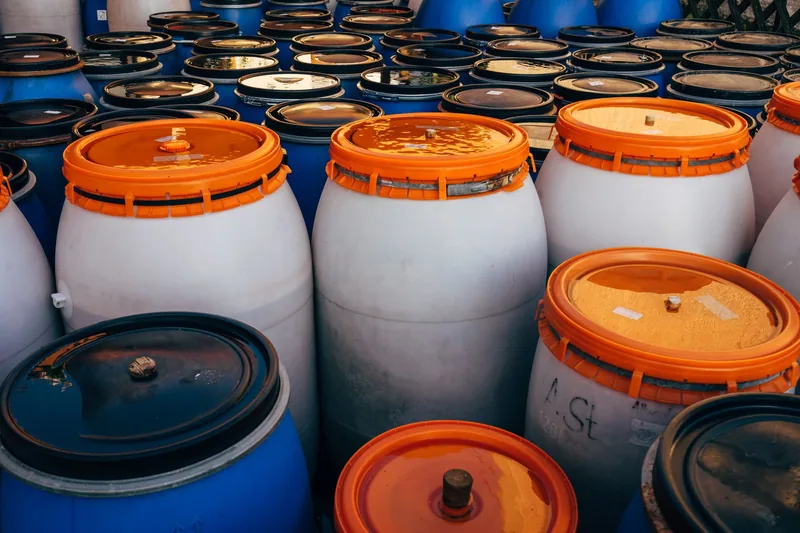
Ohio treats soaked materials from a biohazard scene as infectious waste. Ohio EPA's Division of Materials and Waste Management rules control how it is packaged, transported and treated, so it cannot go in household trash.
Local health and building rules can affect how a contaminated room is cleaned and when it can be used again, so mention any notice you have received from the city or county.
There is no safe fixed timeline for hazmat cleaning until the material, affected area and disposal needs are known. Work may also wait for an active hazard to be controlled or for required testing, permits or inspections.
The full hazmat cleanup guide covers what is cleaned or removed, odor and air quality work, and the rules that apply in your state.
Read the full hazmat cleanup guideLocal population patterns, housing and site access may affect how containment and cleanup are planned.
The relatively small 16.5% rental share does not change safety needs, but it can make property decisions more direct.
In housing built around 1965, a moisture check can help define how far sewage or cleaning water traveled.
Although the share is 28.2%, seniors living alone can still face delayed discovery after an illness, injury, or death.
A single-family share of 79.0% makes private entrances useful for discreet equipment movement during a sensitive cleanup.
You can ask about cleanup in nearby communities and ZIP codes during the call.
Safe disposal is included with chemical and toxic waste cleanup.
See chemical and toxic waste cleanup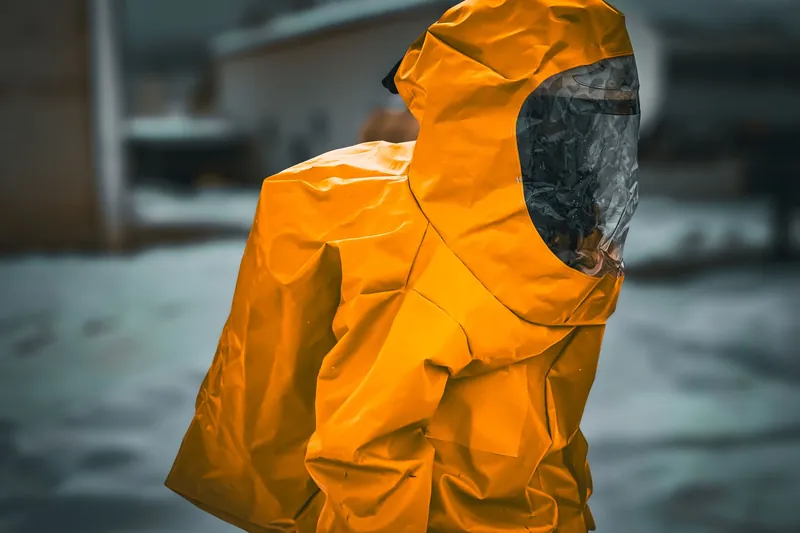
Blood, body fluids and other infectious materials are removed, followed by property disinfection.
See biohazard cleanup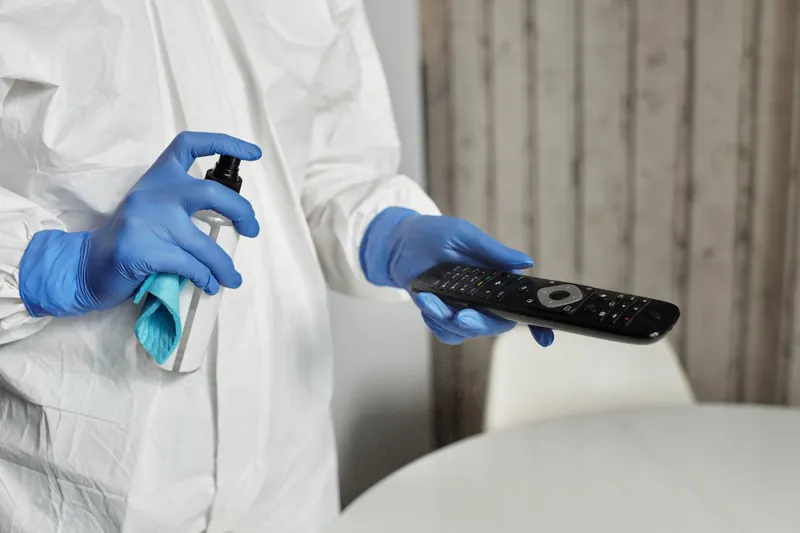
A contaminated space is restored to safe use through biological remediation and contaminant removal.
See biohazard remediation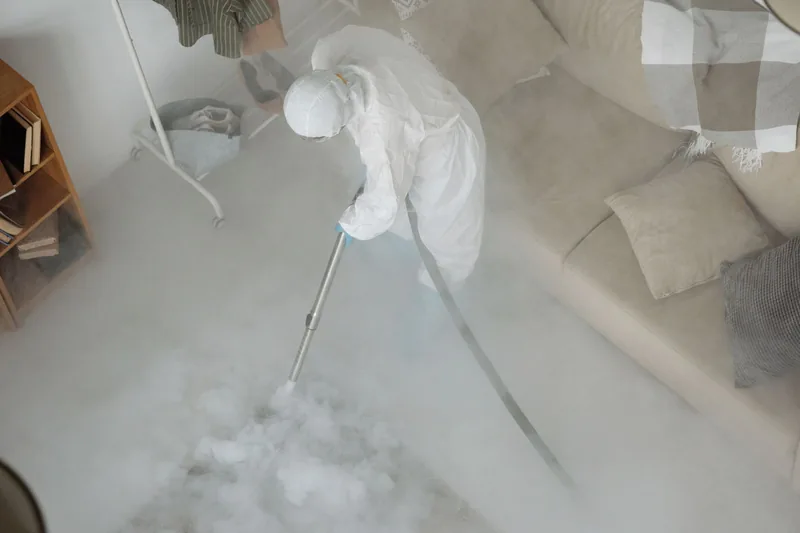
Full decontamination of rooms, surfaces and air after infectious or hazardous exposure.
See biohazard decontamination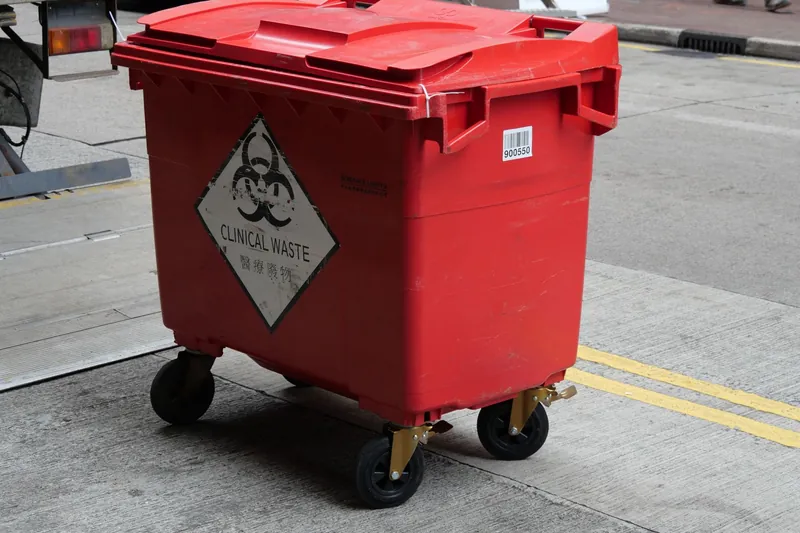
Medical waste removal and disposal through approved treatment facilities.
See medical waste removal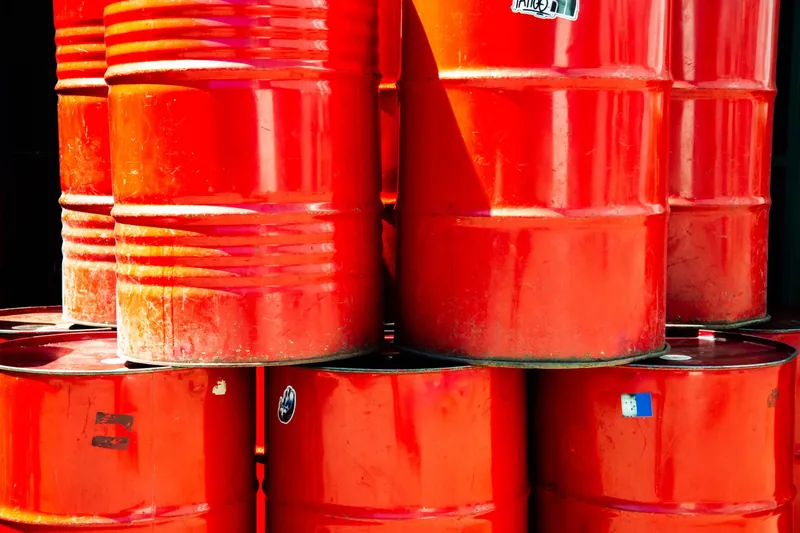
Pickup and disposal of biohazard waste use containers that are sealed and labeled.
See biohazard waste disposal
Meth lab cleanup with residue testing, decontamination and clearance steps.
See meth lab cleanup
Affected rooms, vehicle interiors and surfaces are decontaminated after fentanyl exposure.
See fentanyl decontaminationFinishing the job involves more than applying disinfectant. The cleanup scope guides a final area check after removal and cleaning are complete and the full disinfectant contact time has passed. Waste must be closed, removed and directed to the correct disposal path. The cleanup file should list what crews treated and took away, along with outstanding repair needs.
First identify the material without unsealing it, smelling it or combining it with anything. Keep people away and use the label or Safety Data Sheet to find safe directions. The material involved and applicable local requirements determine disposal. Household waste should not include a leaking container, contaminated absorbent or unknown chemical unless relevant instructions expressly permit that disposal method.
Coverage is possible, but the cause and your policy's deductible, limits, exclusions and other terms determine whether it applies. Once urgent safety calls are complete, tell your insurance company what caused the release without touching the substance. Ask specifically about contamination cleanup, damaged building materials, personal property, hazardous waste disposal and any testing or restoration needed afterward.
No. Residue can remain after a smell weakens, and dangerous vapor may be present even when you notice little or no odor. Decisions about cleanup need to reflect the substance, exposed materials, defined scope and testing requirements for the incident. A scented product may cover the smell without eliminating what causes it.
Biological hazards include blood, bodily fluids and other material that may contain organisms or bloodborne pathogens. A hazardous chemical may be flammable, reactive, corrosive or toxic. The difference matters because protective gear, cleaning products, packaging and waste disposal must fit the hazard. A blood cleanup method may not work on a chemical spill and could make the situation unsafe.
For small to mid-size areas, the Hazmat Cleaning Cost guide from One and Done Prep gives $4,000 to $40,000 per job, with initial containment and cleanup listed at $6 to $20 per square foot. The final cost depends on the contaminant, area, containment, protective equipment, disposal, access, permits and inspections.
Discreet, respectful hazmat cleanup, 24 hours a day, with crews in unmarked vehicles.